The systems nobody sees
MENTAL HEALTH AWARENESS WEEK 2026 · BELONGING MATTERS
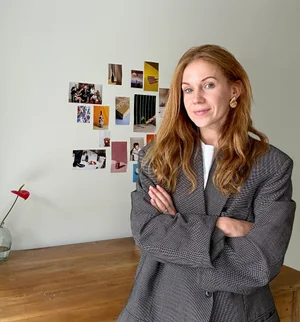
For years, Erica looked like the most organised person in the room. What nobody could see were the clocks set 15 minutes fast, the walls of post-its and the 2am wake-ups. For Mental Health Awareness Week, our team member shares her journey to an ADHD diagnosis, and why belonging at work changed everything.
By Erica, Beehyve Health
One of my favourite truths about ADHD is "if you've met one person with ADHD… you've met one person with ADHD." Though our symptoms have reliable markers and patterns, they can show up differently from person to person.
One of the reasons it took me so long to even think about an assessment, despite multiple friends telling me I should get checked out, is that outwardly I appeared high functioning. I didn't seem to struggle with some of the most common symptoms. I was never late for appointments or events. I was highly organised at work, managing multiple projects and teams and making sure we met our deadlines. I wasn't often forgetful, and I didn't seem to lose things.
What nobody could see
All the clocks in my house are set 15 minutes fast. I have multiple digital and analogue calendars around the house with visual reminders of appointments and meetings. The line of sight around my desk is covered in post-it notes. Reminders on my phone and laptop are set with visual and audio pop-ups. I join online meetings early, then go back to other tasks, because if I get hyperfocused I'll forget all about that meeting.
“What nobody else could see were the elaborate systems I'd built just to function.”
If I have to leave the house, I research routes and parking and surface potential issues ahead of time. What time of day will I be travelling? How bad is the traffic? Is it a school day, or a weekend with events that might affect my route? Is driving or public transport better? Where can I park without stress, and what will it cost? If I park far away, how long will it take to walk, and how fast will I have to go? Where are the closest bus stops?
I keep multiples of the things I use regularly, stored around the house and in the car, because otherwise I absolutely will forget them or lose them.
High functioning at work, struggling at home
At work I was performing highly organised roles. At home, I found it insurmountably difficult to cook meals, clean, get to a gym class or book my car in for a service. Something as simple as brushing my teeth or washing my face before bed felt almost physically painful. And though I delivered high-quality work on time, it often happened at the last minute, after weeks of procrastination and a night spent up getting it done.
My brain never shut down properly, and I had trouble sleeping. I used to describe it like a phone battery. By the end of a work day my battery was on red. I could fall asleep in minutes, but the instant it charged from red to yellow, the bare minimum needed to function, my brain would click back online and I'd be wide awake. My days often started around 2am.
“To me all of this was completely normal. I thought everyone's brain worked like this.”
It wasn't until I started learning more about neurodivergence at work that I began to recognise myself in people with ADHD. And I started to wonder… could getting some help with this improve my life?
Relief, not grief
My own assessment and diagnosis took around two years. Many people diagnosed later in life feel profound grief, anger or sadness, because life could have been so much easier with a diagnosis and support at a younger age. I felt relief. I understood I wasn't fundamentally flawed. The diagnosis explained why so many things had been so hard for me. Now I knew what I was working with, I could figure out what I needed.
It also explained why my brain buzzes around other neurodivergent people. It's such a joy to jump into kōrero with my ADHD friends. Our brains all run a million miles a minute; we interrupt, talk over each other and jump between topics, and everyone is energised and no one is offended. We cover a huge amount of conversation in a short time, and we go deep quickly.
Belonging matters
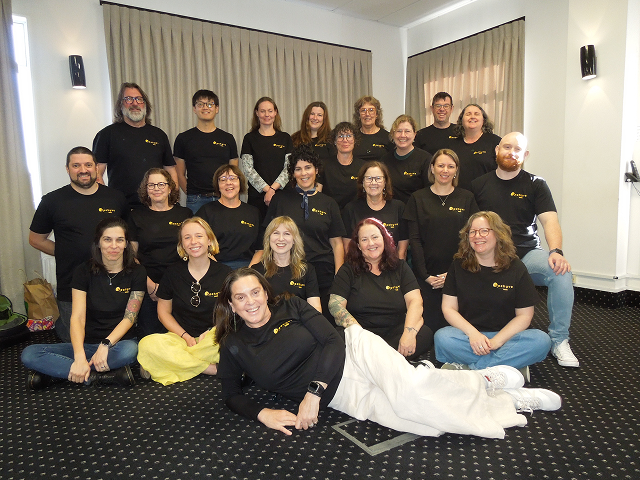
It's one of the things I love most about working with the Beehyve team. Most of us are neurodivergent and all of us have lived experience. It's the first time I've worked in a neuroinclusive environment where no one really has to mask, and we can be our weird, fidgety selves without worrying. We're all professionally trained and we deliver professional services, but we do it sharing a common experience and understanding of neurodivergent function. It's enormously refreshing.
“We can be our weird, fidgety selves without worrying.”
Still learning
My learning journey since diagnosis is ongoing. I'm still working out how to look after my energy and manage my workload sustainably; we don't unlearn the habits of a lifetime overnight. But I'm starting to see the gains add up. My sleep has improved. I'm slowly but surely recovering from burnout. I know when to push into high focus and when to take a break. I don't beat myself up on potato-brain days with zero focus; I plan for them and work around them.
And I let myself be vulnerable in community with my colleagues. We understand each other, and we're there for each other. It really helps.
Resources
The Dopamine Dispatch: divergentkellywrites.substack.com
Neurodivergent Insights: neurodivergentinsights.com/adhd-burnout-recovery
If Erica's story feels familiar, you're not alone.
Whether you're newly diagnosed, still wondering, or somewhere in between, our team is here to help you work out what support might suit you.
Need to talk to someone now? Free call or text 1737, any time.